False Imprisonment at a Glance
📅 2026 Update: Recent Developments in False Imprisonment
Since the original article was published, there have been significant updates in tort law relevant to false imprisonment. Key changes include new legal restatements and updated filing fees. These developments impact how individuals may seek relief for claims involving false imprisonment and related torts.
The information below highlights the most important updates in this area, while the original article continues further down the page for additional context.
📚 🆕 Restatement of the Law Updates
On May 18, 2026, The American Law Institute approved the "Restatement of the Law Third, Torts: Remedies." This approval marks a significant development in tort law. It reflects the current trends and changes in the legal landscape across U.S. courts.
On June 10, 2026, a new volume titled "Restatement of the Law, Intentional Torts to Persons" was released. This document updates the legal framework surrounding physical and emotional harm to individuals, including false imprisonment.
💵 📄 Filing Fees
Filing fees for civil lawsuits have been established. In federal court, the fee to file a civil lawsuit is currently $405. This includes a $350 statutory fee and a $55 administrative fee.
State court filing fees can vary. For instance, in New York, the cost to obtain an index number for a civil matter is $210. Individuals should verify the specific fees for their state before proceeding.
⏰ 🕒 Processing Times
Processing times for cases in federal court can differ based on various factors. The complexity of the case and the jurisdiction will affect how long it takes to reach a resolution. Each court may provide estimated timelines on their respective websites.
In state courts, processing times also vary based on the type of case and the state. It’s advisable to check with the local court for the most accurate information.
📅 ⏳ Deadlines for Claims
The statute of limitations for personal injury claims, including false imprisonment, typically ranges from one to six years depending on the state. It's crucial to be aware of these deadlines, as missing them usually results in the dismissal of the case.
📌 Summary of Key Points
- New Legal Restatements: Significant updates to tort law have been made, including the Restatement of the Law, Intentional Torts to Persons.
- Filing Fees: Federal filing fees are $405; state fees vary.
- Processing Times: Varies by complexity and jurisdiction for both federal and state courts.
- Statute of Limitations: Ranges from one to six years for personal injury claims.
💡 Tips for Filing False Imprisonment Claims
It’s important to discuss the specifics of your situation with an attorney to ensure you are fully informed about your legal options.
📝 🧐 Understand Your Rights
Know your rights related to false imprisonment. Familiarize yourself with the elements that define this tort. It is important to understand how the law applies to your situation.
📄 🕐 Gather Evidence
Collect any evidence that supports your claim. This may include photographs, videos, or witness statements. Strong evidence is essential for proving your case.
📅 ⏳ Be Aware of Deadlines
Remember that personal injury claims must be filed within a specific time frame. The statute of limitations can determine how long you have to file your claim, so keep track of these deadlines.
🏛️ 📚 Research Legal Aid Options
If you cannot afford legal representation, research legal aid organizations in your area. Many provide free or low-cost assistance to those who qualify, which can help you navigate your claim.
⚖️ 📑 Consider Filing a Small Claims Petition
If your claim falls within the small claims limit, you may want to consider this option. The process is usually quicker and less formal, making it easier to handle without an attorney.
🏆 Services Ranked by User Reviews (2026)
The following services provide important resources for individuals looking to understand or pursue claims related to false imprisonment and other torts. These services have been ranked based on Trustpilot data collected in October 2026. Ratings can fluctuate, and while star ratings are useful, they may not fully represent customer experiences since unhappy customers often leave more reviews.
🥇 1. JustAnswer
JustAnswer holds a Trustpilot score of 4.6. This service is known for offering 24/7 access to verified professionals across various fields, including legal matters. Users have praised the expert advice and on-demand assistance.
However, some reviewers note occasional technical issues and challenges in communication.
🥈 2. LegalZoom
LegalZoom also has a Trustpilot score of 4.6. It specializes in legal document preparation, business formation, and estate planning. This service can be particularly helpful for those needing assistance with personal injury claims or related documents.
Some users, however, report delays in customer service response times.
🥉 3. LegalShield
LegalShield averages a score of 4.4. It provides legal subscription services, giving users access to a network of provider law firms for affordable legal assistance. Customers appreciate the accessibility of legal advice but have reported mixed experiences with customer service and communication.
4️⃣ Rocket Lawyer
Rocket Lawyer holds a Trustpilot score of 4.5. It is known for online legal document creation and legal advice, making it a resource for those looking to file claims. Some users find the subscription model less suitable for their needs, especially if they require legal services infrequently.
🆓 Free Legal Aid Options
Many states offer legal aid organizations that provide free or low-cost legal assistance. Eligibility requirements and services can vary, so it’s beneficial to check local resources for support. Additionally, some attorneys offer pro bono services for individuals who cannot afford legal fees.
🔎 Factors to Compare When Choosing Legal Services
- 📞 Availability of customer support
- 💰 Cost of services and potential hidden fees
- 📝 Range of documents and services offered
- 📈 User ratings and review trends
- 🕒 Processing times for your specific needs
❓ Frequently Asked Questions
❓ What constitutes false imprisonment?
False imprisonment occurs when a person is held against their will without legal justification. This can include physical restraint or the threat of harm.
🏛️ How long do I have to file a false imprisonment claim?
The statute of limitations for false imprisonment claims generally ranges from one to three years, depending on the state. It is crucial to file within this time frame to avoid dismissal.
💵 Can I get help with filing fees?
If you cannot afford filing fees, courts may offer fee waivers. This typically requires submitting an "Affidavit of Indigency" to demonstrate your financial situation.
👩⚖️ What should I include in my civil complaint?
Your civil complaint should include a clear statement of your claims, the facts supporting those claims, and the relief you are seeking. Be sure to follow your court's specific filing requirements.
📞 How do I find legal aid organizations?
You can research local legal aid organizations through state bar associations or community resources. Many organizations provide assistance for those who qualify.
📅 What are the processing times for these claims?
Processing times for false imprisonment claims can vary based on the court and complexity of the case. It is advisable to check with the specific court for estimated timelines.
⚖️ Recent Court Cases Related to False Imprisonment
Recent court rulings have further clarified the legal definitions and implications surrounding false imprisonment. These cases can significantly impact how claims are evaluated in the courts.
- Court affirms dismissal of negligence case against property ownerCourt of Appeals of Georgia · July 27, 2026
- Indiana Court rules on defamation case between Stabosz and FriedmanIndiana Court of Appeals · July 27, 2026
- Indiana Court dismisses defamation case against mayorIndiana Court of Appeals · July 27, 2026
- Arizona court rules on liability in vehicle title disputeCourt of Appeals of Arizona · July 27, 2026
For more recent rulings, visit the news section for updates.
End of October 2026 Update
Intention to commit false imprisonment clarifies awareness by the imprisoning party that no such authority of jurisdiction to detain another exists, and that the offender knowingly intends to hold the detainee against their will.
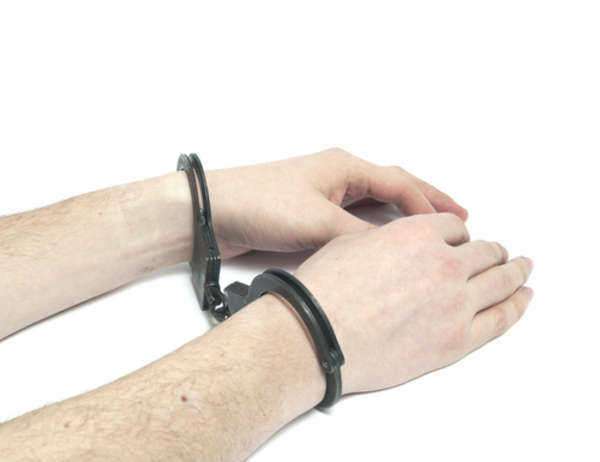
Restraint elements consist of "total restraint", which stipulates that the detainee must be unable to escape without risking their safety within reason. Awareness indicates that the detainee must be aware that he or she is being falsely imprisoned, and must not give consent to the act. Any harm that befalls the detainee, aware or unaware supersedes the awareness requirement.
Law enforcement officers in the United States have the right to detain suspects without a writ of habeus corpus (arrest warrant), if they have probable cause to believe the suspect has committed a crime.
Law enforcement officers also operate under the leniency of Reasonable Suspicion that the suspect is in the act or has intention to commit a crime, for which they may detain the suspect. Such charges may be disputed and dropped in court, but the arresting officer is not liable to charges of False Imprisonment should he or she present cause for reasonable suspicion of the suspect.
Loss prevention personnel and facility security operate in the United States under the Shopkeepers Privilege, which attributes the right to detain a suspected trespasser or shoplifter for a brief amount of time to conduct a preliminary investigation.
The goal of this preliminary investigation is to determine whether or not law enforcement involvement is needed in the matter. Just usage of the Shopkeeper's Privilege involves Reasonable Suspicion or evidence that the suspect has violated the premises or inventory, and detention of the suspect using reasonable force. It is to be noted that in many corporate security manuals, physically restraining a suspect is against protocol.
Shoplifters and trespassers fleeing the scene will have their descriptions given to local law enforcement authorities. Detention of a suspect under the Shopkeepers privilege may not legally last more than ten or fifteen minutes before the suspect is either released or law enforcement is contacted.
Plaintiffs of false imprisonment must prove with the aid of a criminal attorney that they were imprisoned willfully without consent and in conditions improper under law. False imprisonment litigation, if successful, may yield state prison time of three to five years as well as punitive damage awards of up to twenty thousand dollars on charges not involving any other tort or felony offenses. A criminal attorney may press additional charges in conjunction with false imprisonment if there is additional damage or harm - physical or psychological - inflicted on the plaintiff.